
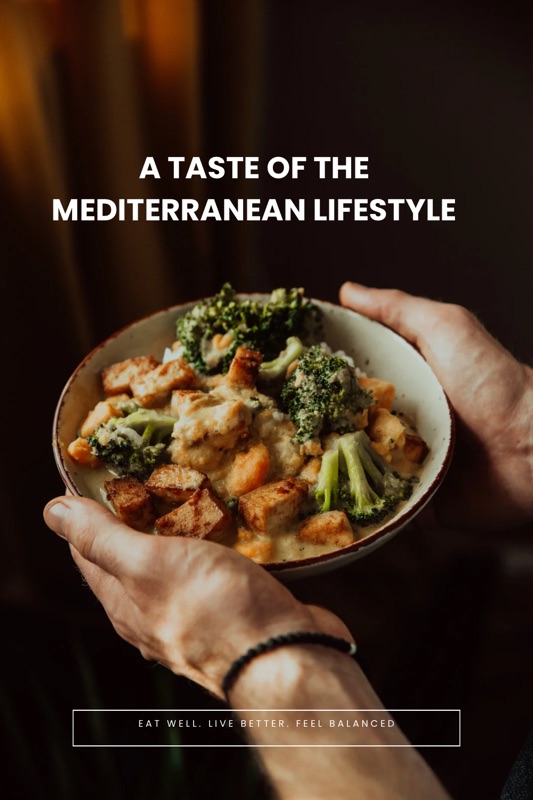
Discover why this timeless diet remains the world's favorite choice for lasting health and happiness.
There's the Mediterranean diet (simply put), but what is it?
The Mediterranean diet isn't a strict program; it's an easy and flexible way of eating that celebrates natural and wholesome foods. It focuses on plants, whole grains, healthy fats (like extra virgin olive oil), nuts, legumes, fish, and plenty of fruits and vegetables. Red meat is rare, sweets are considered snacks, and meals are eaten slowly and with joy.
Why It Matters in 2025 — Big Picture Benefits
Modern research continues to confirm its incredible power: lower risk of heart disease, better weight management, improved metabolism, and even brain protection as we age. Experts still call it one of the best diets for 2025 because it’s realistic, sustainable, and backed by science — not just another trend.
Gut Health: A Surprising (and Modern) Advantage
Recent studies show that the Mediterranean diet helps improve gut health by boosting good bacteria and reducing inflammation. This balance supports digestion, immunity, and even mood — one reason why “gut health diet” has become a popular search among people seeking long-term wellness.
What to Eat — A Friendly, Practical Plate Guide
Think balance, not restriction.
Half your plate should be colorful veggies and fruits, a quarter whole grains or legumes, and a quarter lean protein like fish, chicken, or plant-based sources. Add olive oil, nuts, and herbs for flavor. Replace sugary drinks with water or herbal tea, and enjoy yogurt or fruit as dessert. This flexible approach feels more like a lifestyle than a diet.
Quick Science Bytes (So You Can Trust It)
Large reviews and long-term studies consistently show that the Mediterranean diet lowers inflammation, stabilizes blood sugar, and supports both heart and brain health. People love it because it’s not about counting calories — it’s about eating real, delicious food you can stick with for life.
How to Start This Week — 5 Friendly Steps
- Swap butter for olive oil.
- Add one more vegetable to lunch and dinner.
- Eat fish twice a week (or use legumes instead).
- Make dessert simple — fruit, yogurt, or a small piece of dark chocolate.
- Slow down and enjoy your meals without screens or distractions.
Final Thought
The Mediterranean diet isn’t a short-term plan; it’s a joyful, science-backed lifestyle that fits modern life. In 2025, when people are craving balance over extremes, this timeless approach offers health, pleasure, and peace — all on the same plate.
Question for Readers
What small change could you make this week to bring a little bit of the Mediterranean into your meals — and why? Share your thoughts below!


1 Comments
“Love this article! 🌿 The Mediterranean Diet really shows how easy healthy living can be when you focus on natural, whole foods. It’s amazing how eating plenty of fruits, vegetables, legumes, whole-grains, nuts, and olive oil can give you balance, well-being, heart health, gut health, and even mental clarity. Absolutely agree — it’s not about fad diets, but a sustainable lifestyle full of goodness and joy.”
ReplyDeleteLeave your lovely comment — your opinion means a lot to me!